
Views: 0 Author: Site Editor Publish Time: 2026-05-28 Origin: Site


Quick answer:
A failing motor support component typically causes severe cabin vibration, clunking noises during acceleration, and visible engine movement. You should inspect these rubber and metal insulators every 60,000 miles to prevent further damage to your vehicle's exhaust system, transmission, and structural frame.
Noticing a sudden rattle or aggressive shake when you start your car is unsettling. Many drivers ignore these early warning signs, hoping the vibrations will magically disappear. Unfortunately, worn automotive parts never fix themselves. Addressing these mechanical issues early saves you money and prevents unexpected breakdowns on the highway.
This comprehensive guide explains the core symptoms of worn vibration control parts. You will learn how to identify specific failures, understand the importance of quality replacement components, and discover practical tips for maintaining long-term vehicle stability.


When the structural components holding your power plant deteriorate, the entire vehicle suffers. You might first notice excessive shaking at traffic lights. This shaking often transfers directly through the steering wheel and into the cabin seats. According to automotive safety guidelines from 2023, ignoring this vibration places extreme stress on connecting hoses and exhaust pipes.
To resolve this issue efficiently, mechanics replace the worn Engine mount. This vital component acts as a bridge between the motor and the car frame, absorbing harsh shocks and keeping the power unit perfectly aligned. Once the rubber inside this part tears or collapses, metal-on-metal contact creates a harsh, uncomfortable ride.
If you hear a distinct clunking sound when shifting from park to drive, the structural bracket has likely lost its structural integrity. The power unit twists backward under torque, slamming against the surrounding metal frame. Choose premium rubber components if long-term durability matters more than immediate cost savings. High-quality rubber compounds resist high under-hood temperatures much better than cheap alternatives.
Your vehicle's suspension system takes a massive beating from potholes, speed bumps, and uneven roads. The top connectors of your shock absorbers take the brunt of this impact. When these top connectors wear out, you will experience poor steering response and a hollow knocking sound from the wheel wells.
Replacing a damaged strut mount restores the smooth pivot action required for proper steering alignment. This specific part contains a bearing that allows the front wheels to turn freely. When dirt and moisture destroy this bearing, steering becomes stiff and unpredictable.
Rubber components underneath the vehicle frame degrade silently over time. Road salt, motor oil, and extreme weather slowly eat away at the protective rubber. Visual inspection remains the most effective diagnostic method. Look for deep cracks, missing chunks of rubber, or an off-center metal sleeve.
A compromised suspension bushing allows the control arms to shift out of place during hard braking. This unintended movement drastically alters wheel alignment. It causes rapid, uneven tire wear and makes the vehicle feel unstable at highway speeds.
Understanding the different symptoms helps you communicate better with your mechanic. Review the table below to match your vehicle's symptoms with the likely problematic part.
Component Type | Primary Location | Common Wear Symptoms |
Motor Insulator | Under the hood | Excessive cabin shaking, clunking on acceleration |
Shock Absorber Cap | Top of wheel well | Knocking noise over bumps, stiff steering |
Arm Rubber Insert | Underneath the chassis | Steering wander, rapid uneven tire wear |
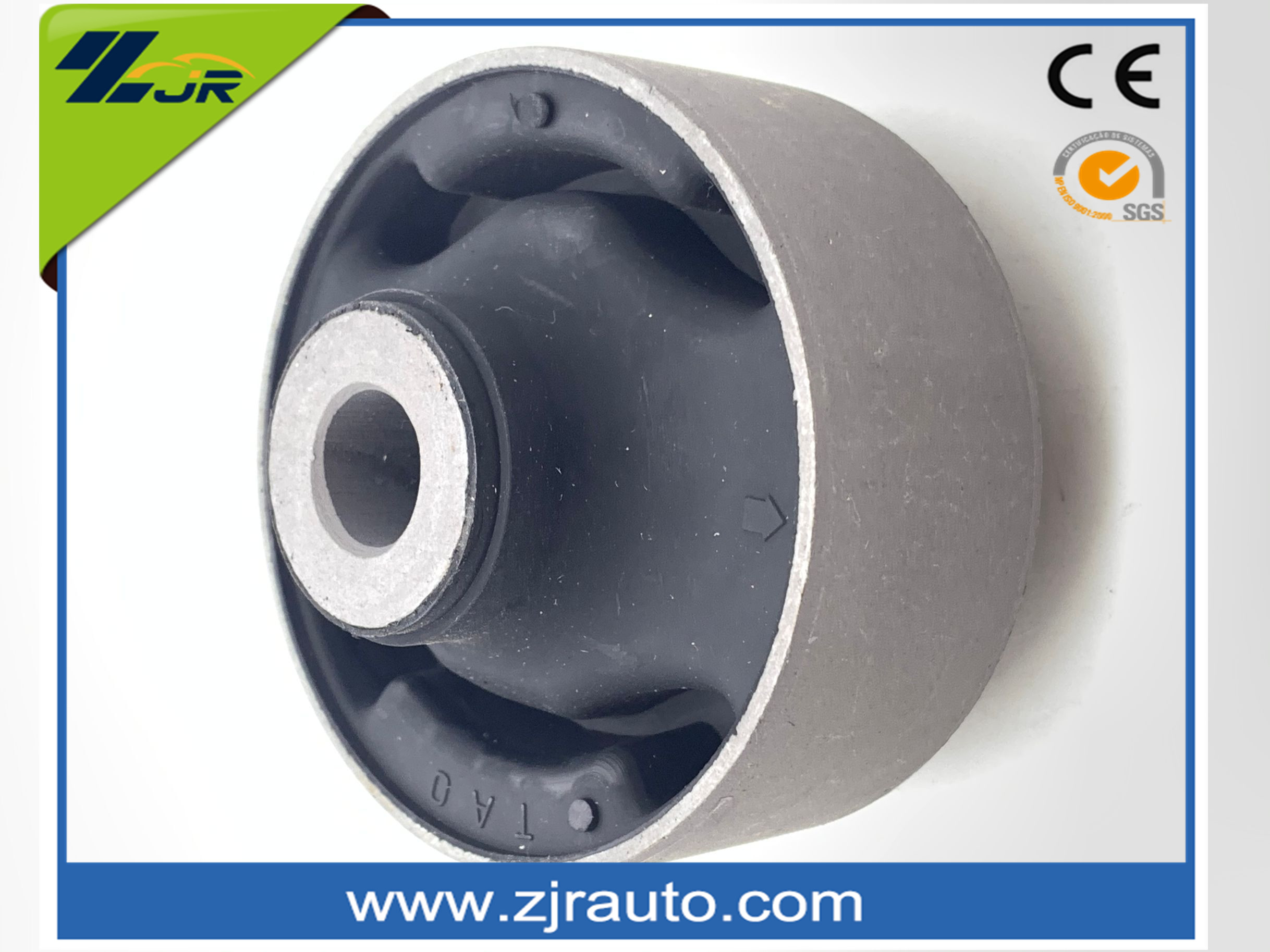

Routine inspections are the secret to a long-lasting, comfortable vehicle. Ask your trusted mechanic to review all rubber insulators during your next scheduled oil change. Proactive maintenance always costs less than reactive emergency repairs. By addressing minor vibrations early, you protect your car's expensive drivetrain components from catastrophic failure.
Replacing a single motor support typically ranges from $200 to $600, depending on the vehicle's make and model. Labor costs account for the majority of the price, as accessing these components can be highly labor-intensive in modern, compact engine bays.
Most factory-installed rubber insulators last between 50,000 and 80,000 miles. However, aggressive driving habits, extreme climates, and leaking motor oil can reduce this lifespan by up to 50 percent.
Driving with a torn control arm isolator is highly discouraged. It severely compromises steering accuracy and increases braking distances. You should replace the damaged part immediately to ensure optimal safety on the road.