
Views: 0 Author: Site Editor Publish Time: 2026-07-08 Origin: Site


Quick answer:
That dull clunk you hear when driving over a pothole? That vibration through the steering wheel on rough roads? Chances are, it's not the shock absorber itself—it's the small rubber-and-metal part that connects it to the vehicle's body. Known as a shock mounting, this modest component plays an outsized role in ride comfort, steering precision, and cabin quietness. When it wears out, drivers notice clunking sounds, excessive vibration, and uneven handling. Replacing it early isn't just about comfort—it's about protecting the entire suspension system and preventing costly damage to surrounding components.
Most drivers never think about their shock mountings—until they start making noise. Sandwiched between the shock absorber and the vehicle body, this small part dampens road impacts, isolates vibration, and allows the suspension to pivot as wheels move up and down. It works quietly in the background, taking constant stress from heat, cold, salt, and road debris. When it fails, the warning signs are hard to miss.
This guide covers how the shock mounting works, the warning signs of failure, and what it really costs to ignore the problem. Whether you run a repair shop, manage a fleet, or source suspension parts in bulk, understanding these components helps you make smarter purchasing decisions and keep vehicles on the road longer.
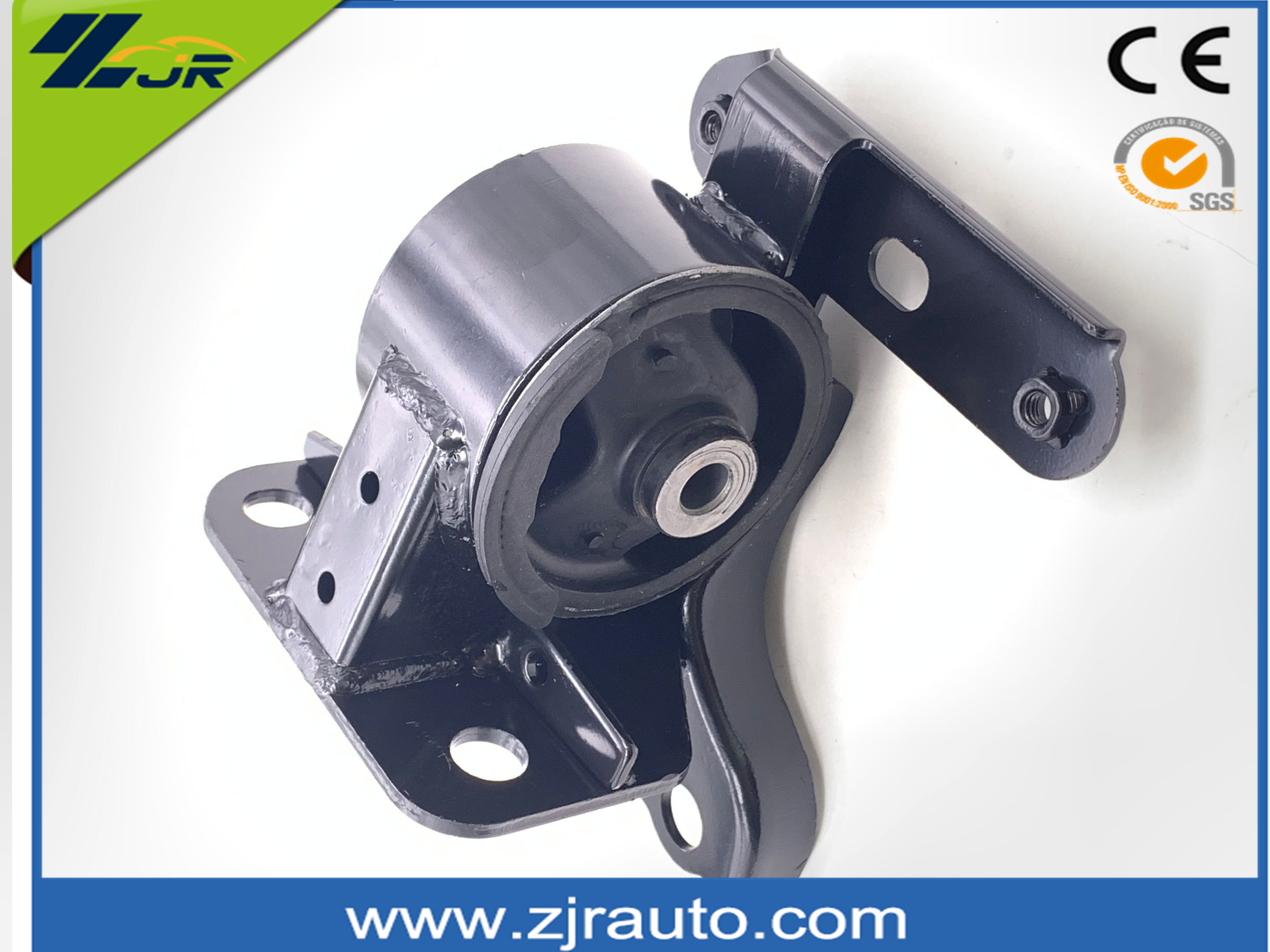
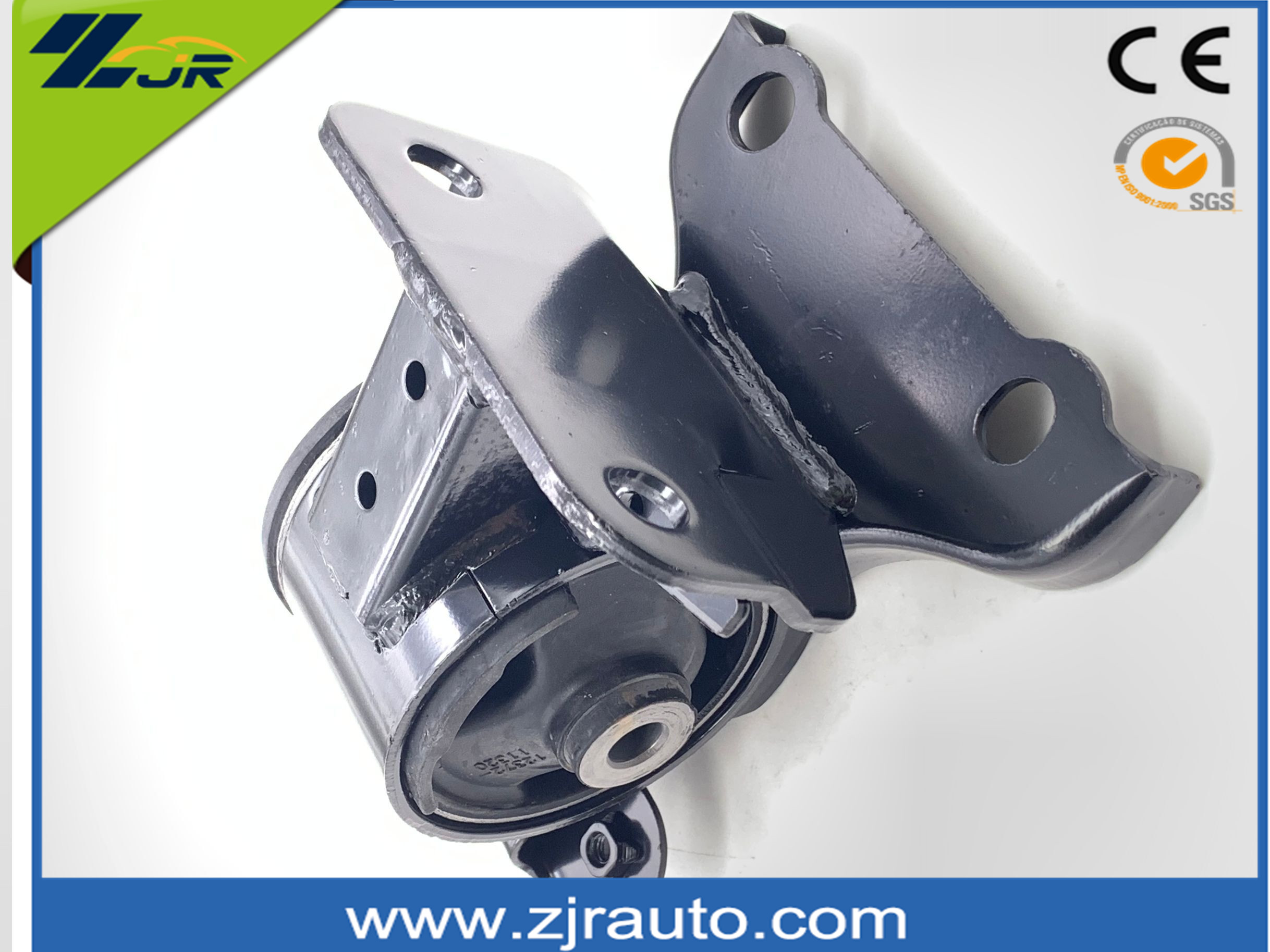
Every time your car hits a pothole or bump, the suspension absorbs the shock. The rubber shock mounting cushions the connection point, dampening vibration before it reaches the cabin. It also allows the shock absorber to pivot slightly as the wheels move up and down.
Made from bonded rubber and steel, this part takes constant stress. Heat, cold, salt, and road debris all wear it down over time. A typical unit lasts between 50,000 and 100,000 miles, though rough roads shorten that lifespan considerably.
The signs usually start small and grow worse. Catching them early saves money and prevents damage to connected parts.
Watch for these common symptoms:
Clunking or knocking sounds over bumps, especially at low speeds
Excessive vibration felt through the steering wheel
Uneven tire wear, a sign the suspension isn't holding alignment
A loose, wandering feel when steering or braking
Visible cracks in the rubber during inspection
Ignoring these signs puts extra strain on the shock absorber, struts, and bushings. What starts as a cheap rubber part can turn into a much larger repair bill.
Buyers often mix up similar-sounding components. Each one sits in a different spot and does a different job. The table below breaks down the most common parts and where they fit.
Component | Location | Primary Function | Typical Lifespan |
Shock absorber support | Top of shock absorber | Cushions and pivots the shock | 50,000–100,000 mi |
Top strut bearing | Top of strut assembly | Allows strut to rotate with steering | 60,000–100,000 mi |
Engine vibration damper | Engine to chassis | Isolates engine vibration | 60,000–120,000 mi |
Suspension rubber bushing | Control arm joints | Absorbs flex and reduces noise | 50,000–90,000 mi |
Knowing these differences helps you order the right part the first time. For wholesale buyers, it also reduces returns and keeps customers satisfied.
The suspension system works as a team. The shock absorber soaks up energy, the spring carries the load, and the strut mounting ties the whole assembly to the chassis while letting it turn with the wheels. When one part fails, the others pick up the slack—and wear out faster.
This is why technicians often recommend inspecting related parts together. Replacing a worn mount while leaving a damaged bushing in place rarely solves the underlying problem. A complete check protects your investment and gives the driver a smoother result.


Not all rubber parts are equal. Cheap units use low-grade rubber that cracks within months. Quality parts use durable compounds bonded firmly to steel, built to handle heat and constant flexing.
For Japanese and Korean vehicles, fit precision is critical. The rubber insulator engine mounting and related components must match factory specifications exactly. A poor fit creates noise, vibration, and early failure. ZHIJIE Autoparts, founded in 1993, produces more than 2,000 types of suspension and engine parts for brands like Toyota, Honda, Nissan, and Mazda—built to original equipment standards.
Putting off a small repair often leads to a large one. A failing mount transfers stress to the shock absorber and struts. Over time, this damages the alignment, wears tires unevenly, and can even crack the strut tower in severe cases.
The math is simple. A rubber mount costs a fraction of a full strut assembly. Replacing it early is one of the most cost-effective maintenance choices a driver can make.
A worn suspension mount affects safety, comfort, and the lifespan of expensive parts. Listen for clunks, watch for vibration, and inspect related components together rather than one at a time.
If you source parts for Japanese and Korean vehicles, choose a supplier with a proven track record and original equipment quality. Reliable parts mean fewer returns, happier customers, and vehicles that stay on the road longer. Start by reviewing the right specifications for each model—and replace worn parts before small problems become big ones.
The part itself is usually inexpensive, often a small fraction of a full strut assembly. Labor varies by vehicle and region. Because the part is cheap relative to the damage it prevents, early replacement is almost always the smarter financial choice.
You can, but you shouldn't for long. A worn mount creates noise, vibration, and poor handling. It also accelerates wear on the shock absorber and struts, turning a small repair into a large one. Have it inspected as soon as you notice symptoms.
Most last between 50,000 and 100,000 miles. Rough roads, extreme temperatures, and heavy loads shorten that range. Vehicles driven on poor roads should be inspected more often.
Often, yes. If one mount has worn out, the matching one on the other side is usually close behind. Replacing both at once saves on labor and gives more balanced handling.
Suspension and engine mounting components are vehicle-specific. ZHIJIE Autoparts supplies parts for Japanese, Korean, German, and American models, including Toyota, Honda, Nissan, Mitsubishi, Mazda, Suzuki, Hyundai, and Kia. Always match the part number to the exact make, model, and year.