
Views: 0 Author: Site Editor Publish Time: 2026-01-05 Origin: Site


A strut mount is a critical suspension component that connects the vehicle’s strut assembly to the chassis. The strut mount serves as the upper mounting point for the strut and plays a vital role in vehicle handling, ride comfort, and steering stability. Without a properly functioning strut mount, the suspension system cannot operate efficiently.
The strut mount typically consists of rubber and metal components designed to absorb vibrations, reduce road noise, and allow the strut to pivot smoothly during steering. Over time, wear and tear can occur, making strut mount replacement necessary to maintain safe driving conditions.
Understanding what a strut mount does helps drivers recognize why timely strut mount replacement is essential for suspension longevity.
The strut mount works by anchoring the strut to the vehicle body while allowing controlled movement. When the wheels encounter bumps, the strut compresses, and the strut mount absorbs vibration and impact energy.
In vehicles with front MacPherson strut suspension, the strut mount also acts as a steering pivot. This makes the strut mount especially important for precise steering response. A worn strut mount can cause steering stiffness, noise, and alignment issues, often signaling the need for strut mount replacement.
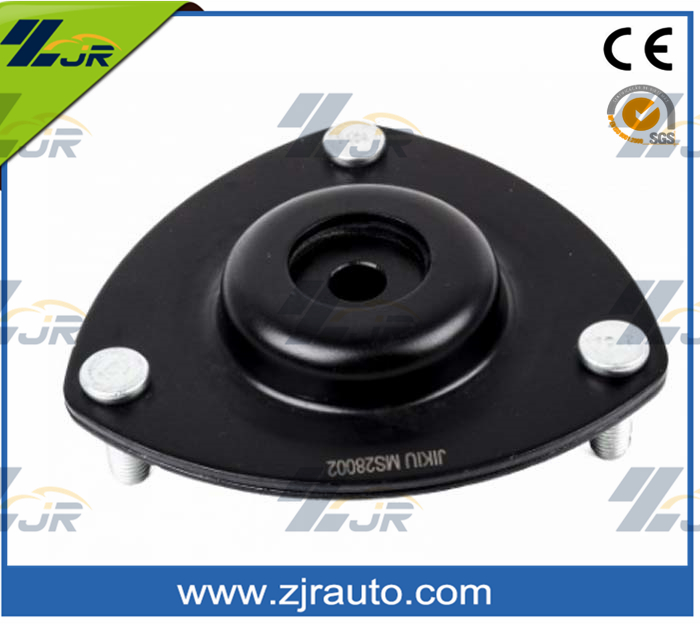
A typical strut mount includes several integrated parts designed for durability and performance.
| Component | Function |
|---|---|
| Rubber Insulator | Absorbs vibration and road shock |
| Metal Plate | Provides structural strength |
| Bearing (Front Mounts) | Allows smooth steering rotation |
| Studs or Bolts | Secure the strut mount to the chassis |
Each of these components must work together. When one fails, strut mount replacement becomes the most reliable solution rather than partial repair.
Recognizing early warning signs of strut mount failure can prevent further suspension damage. The most common symptoms include:
Clunking or knocking noises over bumps
Steering wheel vibration
Poor wheel alignment
Uneven tire wear
Increased road noise
Stiff or jerky steering
These issues often worsen if strut mount replacement is delayed. A damaged strut mount can also accelerate wear on shocks and struts, increasing overall repair costs.
Strut mount replacement is essential for maintaining vehicle safety and suspension efficiency. A worn strut mount compromises ride quality and reduces steering accuracy. Ignoring strut mount replacement may lead to:
Reduced vehicle control
Increased braking distance
Suspension misalignment
Premature strut failure
Professional technicians often recommend strut mount replacement whenever new struts are installed, ensuring optimal suspension performance and long-term reliability.
There is no fixed mileage for strut mount replacement, but most strut mounts last between 80,000 and 120,000 kilometers. However, driving conditions play a significant role.
Replacing worn struts or shocks
Hearing persistent suspension noise
Experiencing steering instability
Noticing uneven tire wear
Routine inspection during suspension service helps determine whether strut mount replacement is necessary.
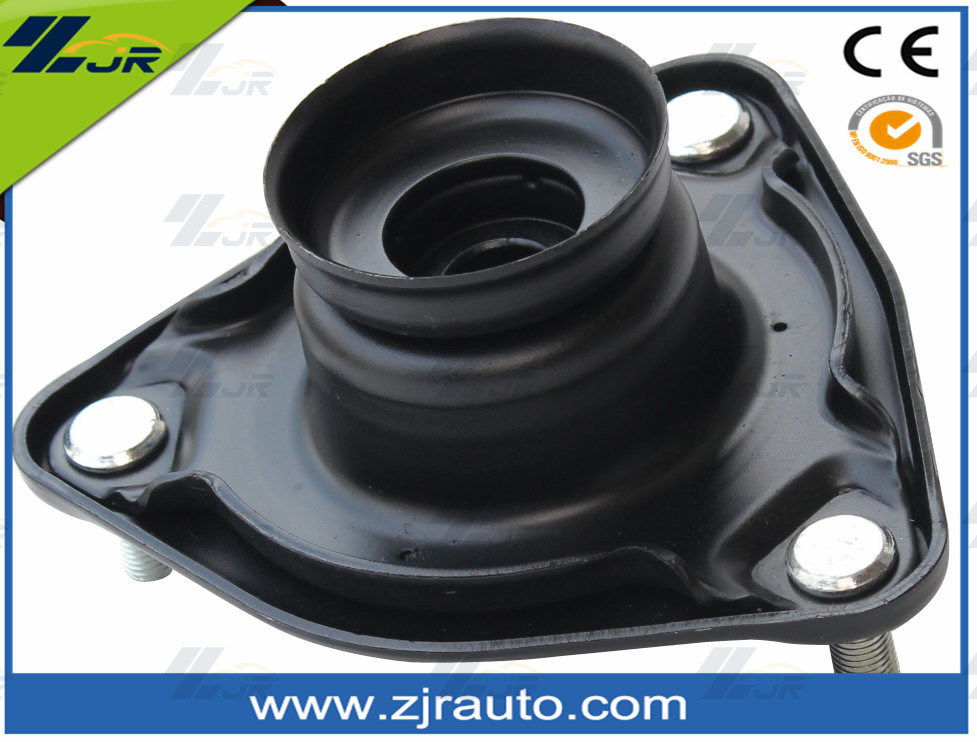
Delaying strut mount replacement can cause cascading suspension issues. A failed strut mount transfers excessive stress to the strut, spring, and chassis mounting points.
Damage to new struts
Misaligned wheels
Reduced suspension travel
Increased vibration inside the cabin
Prompt strut mount replacement helps avoid these costly problems and preserves overall suspension health.
Although related, strut mount replacement and strut replacement are not the same. The strut mount is a supporting component, while the strut controls damping and spring movement.
However, many workshops perform strut mount replacement together with strut replacement because:
Labor overlap reduces costs
Old strut mounts can damage new struts
Suspension alignment improves
Combining strut service with strut mount replacement ensures a complete and reliable repair.
The time required for strut mount replacement depends on vehicle design and workshop experience. On average:
| Vehicle Type | Estimated Time |
|---|---|
| Compact Cars | 1.5–2 hours |
| Sedans | 2–3 hours |
| SUVs | 3–4 hours |
Proper strut mount replacement includes torque checks and wheel alignment to restore suspension geometry.
Driving with a damaged strut mount is not recommended. While short-distance driving may be possible, safety and comfort are compromised.
A failed strut mount can suddenly worsen, leading to unpredictable handling. Immediate strut mount replacement is the safest option once symptoms appear.

A strut mount is the upper suspension component that connects the strut assembly to the vehicle body, absorbing vibration and allowing steering movement.
Common signs include clunking noises, steering vibration, poor alignment, and uneven tire wear, all indicating the need for strut mount replacement.
Yes, strut mount replacement is strongly recommended when installing new struts to ensure proper suspension performance and durability.
Costs vary by vehicle and labor rates, but timely strut mount replacement helps avoid higher suspension repair expenses later.
Yes, a worn strut mount can cause alignment issues, making strut mount replacement essential for correct wheel geometry.
For high-quality strut mount products and dependable strut mount replacement solutions, zjr auto is a trusted choice. Their strut mount components are engineered for durability, precision fit, and long service life, ensuring optimal suspension performance across various vehicle models.
Whether you are performing routine maintenance or a full strut mount replacement, zjr auto provides professional-grade solutions designed to meet international standards.
Contact Email: info@zjrauto.com
Contact Phone: +86 13702583315
Choosing the right strut mount and performing timely strut mount replacement with zjr auto helps ensure a smoother ride, safer handling, and long-lasting suspension performance.