
Views: 0 Author: Site Editor Publish Time: 2026-02-09 Origin: Site


Have you ever wondered what keeps your car engine from rattling around under the hood while you drive? The answer lies in a small but critical component known as an engine mount. Most drivers never think about this part until something goes wrong, yet it plays a vital role in vehicle comfort and performance. An engine mount is essentially the bridge between your engine and the car’s chassis. It secures the heavy engine in place while simultaneously absorbing vibrations. Without a proper engine mounting system, driving would be an incredibly noisy and shaky experience.
The primary job of an engine mount is to hold the engine in place. Because engines are heavy and generate immense torque, they need to be firmly secured. However, if you bolted the metal engine directly to the metal frame of the car, you would feel every single combustion cycle as a violent vibration in the steering wheel and seats. This is why engine mounting designs typically incorporate rubber or fluid-filled chambers to dampen these vibrations. Understanding "what is an engine mount" is the first step in recognizing when you might need an engine mount replacement.
To understand how an engine mount functions, you need to look at its construction. Most standard mounts consist of two metal attachment plates connected by a block of rubber. One metal plate bolts to the engine, while the other bolts to the vehicle's frame. The rubber acts as a cushion. It is tough enough to hold the weight but flexible enough to absorb the shaking.
Some modern vehicles use more advanced engine mounting technology. These can include hydraulic mounts, which are filled with a gel-like fluid. This fluid works similarly to a shock absorber, providing even better vibration dampening, especially at idle speeds. Other high-performance cars might use active engine mounting systems. These electronic mounts can change their stiffness in real-time based on how you are driving. Regardless of the type, the goal remains the same: keep the engine secure and keep the ride smooth. If this rubber deteriorates or the fluid leaks, the effectiveness of the engine mounting drops, often signaling the need for an engine mount replacement.
Why should you care about the condition of your engine mounting? The importance goes beyond just comfort. While reducing noise and vibration is a major benefit, a healthy engine mount also protects other components. When an engine vibrates excessively because of a failed mount, it puts stress on other parts of the vehicle.
For instance, the exhaust system, radiator hoses, and wiring harnesses are all connected to the engine. If the engine is moving around too much due to bad engine mounting, these connections can stretch, crack, or break. Furthermore, a broken engine mount can allow the engine to shift during acceleration or braking. This movement can misalign the drivetrain, leading to premature wear on axles and transmission mounts. Therefore, timely engine mount replacement is crucial for the longevity of your entire vehicle, not just for your comfort.

Not all mounts are created equal. Manufacturers choose specific engine mounting styles based on the vehicle's needs, weight, and performance characteristics.
These are the most common and traditional type. They rely on a solid block of rubber to absorb vibrations. They are durable and cost-effective but may transfer more vibration than hydraulic options.
These are filled with hydraulic fluid or glycol. They are excellent at absorbing high-frequency vibrations and provide a smoother ride. However, they are more prone to leaking and may require engine mount replacement sooner than solid rubber ones.
These are the most advanced. They use sensors to detect engine vibration and adjust the mount's stiffness to cancel it out. These are expensive and complex but offer superior performance.
Mount Type | Primary Material | Vibration Dampening | Durability | Cost |
|---|---|---|---|---|
Solid Rubber | Metal & Rubber | Moderate | High | Low |
Hydraulic | Fluid-filled Rubber | High | Moderate | Medium |
Active/Electronic | Electronic Sensors | Very High | Low to Moderate | High |
Identifying when you need an engine mount replacement is easier if you know what to listen and feel for. A failing engine mount usually gives plenty of warning signs before it fails completely.
The most obvious symptom is excessive vibration. If your steering wheel shakes significantly while you are stopped at a red light, your engine mounting might be compromised. You might also hear strange noises. A "clunk" or "thud" sound coming from the engine bay when you accelerate or shift gears is a classic sign of a broken engine mount. This noise is the engine physically shifting and hitting against its stops or the frame.
Another symptom is engine movement. If you open the hood and have someone rev the engine (while the car is in park with the emergency brake on), the engine should move slightly. If it lurches violently to one side, the engine mounting is likely broken. Ignoring these signs can lead to more expensive repairs down the road, making early engine mount replacement a smart financial decision.
There is no strict mileage rule for engine mount replacement, unlike oil changes or tire rotations. Generally, an engine mount can last anywhere from 5 to 10 years, or between 60,000 to 100,000 miles. However, this lifespan varies greatly depending on driving habits and conditions.
If you frequently drive on rough roads, tow heavy loads, or have a habit of accelerating aggressively, you put more stress on the engine mounting system. This accelerates wear and tear. Furthermore, oil leaks can damage rubber mounts. If engine oil drips onto the rubber of an engine mount, it can soften the material, causing it to fail prematurely. Therefore, checking your engine mounting during routine maintenance is advisable. If a mechanic notices cracks in the rubber or leaking fluid from a hydraulic mount, it is time to schedule an engine mount replacement.

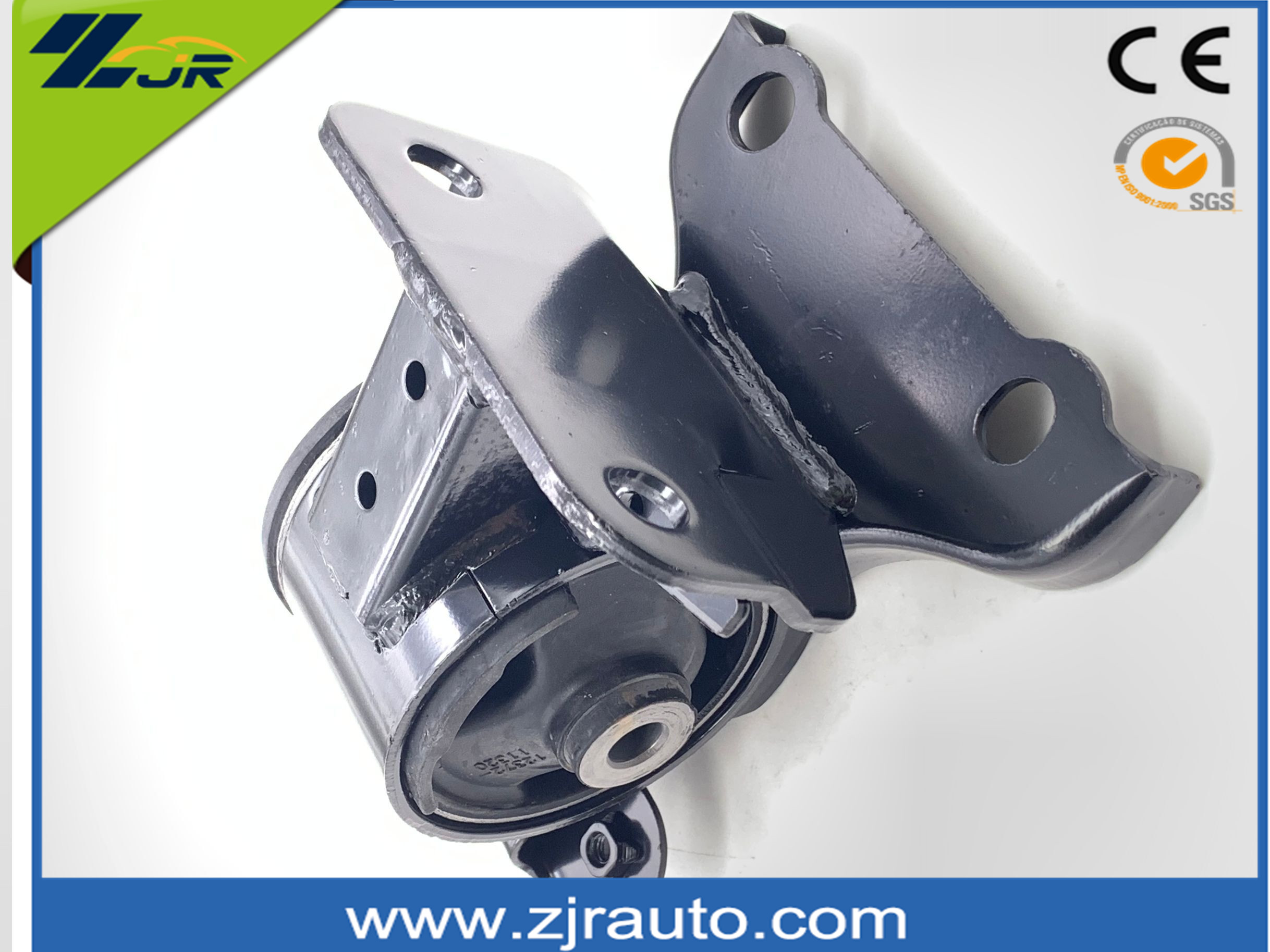
Technically, you can often drive with a worn engine mount for a short period, but it is not recommended. Driving with a broken engine mount poses safety risks and can cause severe damage to your car.
When an engine mount breaks completely, the engine is no longer secured properly. In extreme cases, the engine could shift enough to damage the radiator fan or pinch wiring harnesses. The excessive movement can also damage the transmission mount, as the transmission is bolted to the engine and shares the load. If the engine mounting fails on one side, it puts immense strain on the remaining mounts, causing a domino effect of failures. While the engine won't fall out of the car, the potential collateral damage makes delaying engine mount replacement a risky gamble.
An engine mount replacement is a labor-intensive job that usually requires professional tools. The process involves supporting the engine so that the old mount can be removed without the engine dropping.
First, the mechanic will lift the vehicle and remove any underbody shields. Then, they use a jack or an engine hoist to take the weight of the engine off the engine mounting points. Once the weight is supported, the bolts securing the old engine mount to the frame and engine are removed. The old part is extracted, and the new engine mount is installed.
It is often recommended to replace all mounts at once. If one engine mount has failed, the others are likely not far behind due to similar age and the extra stress they absorbed when the first one failed. Proper engine mounting installation requires torquing bolts to specific manufacturer specifications to ensure safety.
The cost of engine mount replacement varies widely depending on the vehicle make and model, as well as the type of mount used. A simple solid rubber engine mount for an economy car is relatively cheap. However, a complex active engine mounting system for a luxury vehicle can be quite expensive.
Labor costs also play a significant role. Some mounts are easy to access, while others are buried deep within the engine bay, requiring hours of labor to reach. On average, you might expect to pay anywhere from a few hundred to nearly a thousand dollars for a full engine mount replacement job. While this might seem steep, remember that a functional engine mount protects your transmission, axles, and exhaust system from expensive damage. Investing in quality engine mounting parts is essential for long-term reliability.
For car enthusiasts, upgrading the engine mounting system is a popular modification. Factory mounts are designed for comfort, meaning they are softer to absorb more vibration. However, this softness allows for some engine movement, which can feel like a delay in power delivery during hard acceleration.
Performance engine mount options are typically made of polyurethane instead of rubber. Polyurethane is stiffer, which means it holds the engine more rigidly. This reduces engine movement, resulting in sharper throttle response and more direct power transfer to the wheels. The downside to this upgrade is increased vibration and noise in the cabin. If you prioritize performance over comfort, a stiffer engine mounting setup might be for you. However, for most daily drivers, a standard OEM-quality engine mount replacement is the best choice to maintain original ride quality.
When sourcing parts for an engine mount replacement, quality is paramount. The market is flooded with cheap aftermarket parts, but inferior rubber or poor construction can lead to premature failure. A low-quality engine mount might transmit too much vibration or collapse after just a few months.
Look for reputable suppliers who specialize in rubber and metal bonding. The durability of an engine mount depends on how well the rubber adheres to the metal plates. For hydraulic mounts, the seal integrity is critical to prevent leaks. When browsing for engine mounting solutions, check for warranties and certifications. Whether you need a standard rubber mount or a sophisticated hydraulic one, ensuring you get a high-quality product will save you from having to do another engine mount replacement in the near future.
If you are looking for reliable and high-quality solutions for your vehicle, finding a trusted supplier is key. When it comes to sourcing a durable engine mount, quality manufacturing makes all the difference.
We highly recommend zjr auto for your engine mounting requirements. They specialize in producing top-tier automotive rubber parts that meet or exceed OEM specifications. Whether you are a mechanic looking for reliable parts or a car owner needing a robust engine mount replacement, zjr auto offers products designed for longevity and performance. Their commitment to precision ensures that every engine mount fits perfectly and functions effectively, restoring the smooth ride you expect.
Most standard mounts are made of a steel or aluminum bracket bonded to a rubber bushing. More advanced engine mounting systems use fluid-filled chambers (hydraulic) or even electronic sensors to dampen vibrations.
Common signs include excessive vibration in the cabin, clunking noises from the engine bay when shifting or accelerating, and visible damage like cracks in the rubber. If you suspect issues, schedule an inspection for potential engine mount replacement.
Yes. Because the engine and transmission are bolted together, excessive movement from a bad engine mount can stress the transmission mounts and even misalign the driveshaft, leading to damage.
An engine mount typically lasts between 60,000 and 100,000 miles, or roughly 5-10 years. However, aggressive driving and oil leaks can shorten the life of your engine mounting system.
Costs vary by vehicle. A single mount might be affordable, but labor can be high if the mount is hard to reach. Replacing complex hydraulic or electronic engine mounting systems will cost more than standard rubber ones.
While possible, it is often recommended to replace them in sets or pairs. If one engine mount has failed, the others have been under increased stress and are likely near the end of their life as well.

Contact Information For inquiries about high-quality engine mounts, please contact us:
Email: info@zjrauto.com
Phone: +86 13702583315